

NOW ACCEPTING NEW CLIENTS FOR IN-PERSON AND ONLINE THERAPY --SERVING ALL OF CALIFORNIA-- SCHEDULE FREE CONSULTATION -->
Lara Kennerly, PsyD

Trauma & PTSD Therapy in Sacramento
When past experiences continue affecting your daily life, trauma therapy can help you regain a sense of stability and control.
Find a trauma therapist who can help you process difficult experiences and begin moving forward.
In-person in Sacramento | Virtual across California

Are You Still Carrying the Weight of What Happened?
Do you ever find yourself thinking about something that happened years ago and wondering why it still affects you?
Maybe it shows up when you least expect it. A memory comes back and suddenly your mood shifts. Your body feels tense. Your thoughts start racing even though nothing dangerous is happening in that moment.
Have you noticed yourself avoiding certain places, conversations, or situations because they remind you of something you would rather not think about?
Or maybe it feels like your mind never fully relaxes. Even in calm moments, part of you stays alert, as if you are always waiting for something to go wrong.
At other times, do you feel the opposite? Emotionally distant, disconnected, or numb just to get through the day.
And maybe you have asked yourself this more than once: Why does this still affect me after so much time has passed?
Experiences that were overwhelming or deeply distressing can stay with the mind and body longer than we expect. If these patterns feel familiar, it may be because your mind and body are still carrying the impact of something that never had the chance to fully heal.
Therapy can provide a space to begin understanding these responses and gently working through experiences that may still be affecting you today. Over time, many people find that the weight they have been carrying starts to feel lighter.
Understanding Trauma and PTSD
Trauma is the mind and body’s response to experiences that felt frightening, unsafe, or emotionally overwhelming. When something threatens our sense of safety, the brain shifts into survival mode. The body becomes more alert, stress hormones increase, and the nervous system prepares to react quickly.
For many people, the mind gradually processes what happened and these reactions settle over time. But sometimes an experience is too overwhelming to fully process in the moment. When that happens, reminders of the event can continue triggering strong emotional or physical reactions long after the situation itself has passed.
In some cases, when the nervous system continues responding as if the threat is still present, trauma responses can develop into what is known as Post-Traumatic Stress Disorder, or PTSD.
What Is PTSD and How Does It Develop?
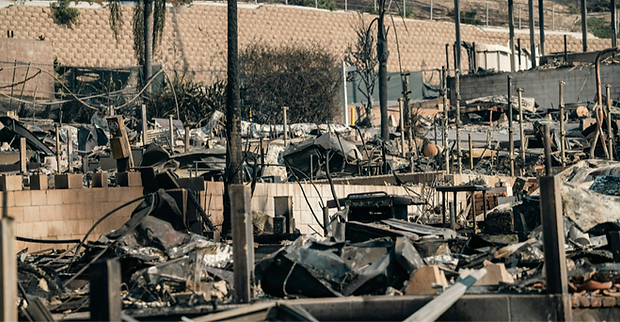
Post-Traumatic Stress Disorder (PTSD) can develop after someone experiences or witnesses a traumatic event such as violence, serious accidents, natural disasters, or other life-threatening situations.
During trauma, the brain focuses on survival. For most people, the nervous system eventually recognizes that the danger has passed and begins to calm down. But when the experience is too overwhelming, the brain may continue reacting as if the threat is still present.
This can lead to ongoing reactions such as intrusive memories, heightened alertness, emotional numbness, or strong responses to reminders of the event. PTSD may appear soon after a traumatic experience, or it may develop months or even years later.
These reactions are not a sign of weakness. They often reflect the brain and nervous system trying to process something that felt deeply unsafe or overwhelming.
According to the National Center for PTSD, about 6 out of every 100 adults in the United States will experience PTSD at some point in their lives. While not everyone who experiences trauma develops PTSD, the effects of trauma can still have a lasting impact on how someone feels, thinks, and responds to stress.

Common Signs of Trauma and PTSD
Trauma can affect people in many different ways. Some reactions are emotional, others are physical or behavioral. In many cases, these responses are the mind and body’s way of trying to stay alert after something felt unsafe or overwhelming.
Some common signs of trauma and PTSD include:
-
Intrusive memories or unwanted thoughts about what happened
-
Feeling constantly on edge or easily startled
-
Avoiding places, people, or conversations that bring back reminders of the event
-
Difficulty sleeping or frequent nightmares
-
Emotional numbness or feeling disconnected from others
-
Irritability, mood swings, or sudden anger
-
Trouble concentrating or feeling mentally exhausted
-
Strong emotional or physical reactions to reminders of the experience
Not everyone experiences trauma in the same way. Some people notice symptoms soon after an event, while others may not recognize the impact until months or even years later.
Understanding Complex PTSD (CPTSD)
Not all trauma comes from a single event. In many cases, the impact builds over time through repeated exposure to stress, danger, or emotionally intense experiences. Complex PTSD (CPTSD) is a form of trauma-related stress, that, unlike PTSD which is often linked to one specific event, reflects the lasting impact of repeated or long-term exposure to trauma.
For a deeper discussion of this topic, see the article What Is Complex PTSD and How Is It Different From PTSD?, which explores the differences between PTSD and Complex PTSD in greater detail.
Complex PTSD can develop if you experience chronic (long-term) trauma that is often difficult to escape from, and can include: Experiencing long-term child physical or sexual abuse; Long-term domestic violence; Frequent sexual victimization or abuse; Regular and repeated exposure to verbal abuse, emotional abuse or threats; Long-term exposure to bullying; Regular, long-term feelings of captivation or powerlessness; Frequent community violence; Being a victim of human or sex trafficking; or War.
It can also develop in adults either working or living in environments where they are exposed to repeated environments of a traumatic nature. These can include:
-
Repeated exposure to disaster, accidents, deaths or violent acts (police, firemen, paramedics, corrections, emergency room)
-
Frequent need to deliver traumatic news to others
-
Regular exposure to the abuse of children

Symptoms of Complex PTSD
CPTSD includes the core symptoms of PTSD, (intrusive memories, avoidance, and feeling constantly on edge), along with additional effects on how someone experiences themselves and others, as well as an ongoing pattern of emotional distress, difficulty regulating emotions, and challenges in relationships. This includes:
-
Affect Dysregulation: difficulties managing emotions, including explosive anger, emotional numbness, or dissociation
-
Negative Self-Concept: persistent, deep-seated beliefs of worthlessness, shame, or guilt
-
Relational Difficulties: persistent problems maintaining relationships or feeling close to others
Common Signs of Complex PTSD
CPTSD can affect how someone feels, thinks, and responds to everyday situations. Because it builds over time, the signs are often more constant and can feel like part of daily life and ongoing stress, emotional exhaustion, or a sense that something feels "off", rather than something connected to a specific event. People may notice:
-
Feeling constantly on edge or unable to fully relax, even in safe environments
-
Emotional numbness or, at times, intense emotional reactions that feel hard to control (Easily irritated, Self-destructive, Anxiety or panic, Persistent Fear, Aggressive Behavior)
-
Ongoing fatigue, burnout, or a sense of being mentally and physically drained
-
Difficulty concentrating, staying present, or feeling grounded
-
Trouble trusting others or feeling connected in relationships
-
Persistent self-criticism, guilt, or a deep sense of shame
-
Symptoms Worsening over time instead of resolving
-
Increasing difficulty using their using coping skills and support systems over time.

How Trauma and PTSD Therapy Helps
Whether trauma comes from a single event or builds over time through repeated experiences, therapy provides a space to safely process what you’ve been through at a pace that feels manageable.
Trauma therapy focuses on helping you safely process experiences that may still be affecting how you feel, think, and respond to stress. Rather than forcing you to relive painful moments, therapy creates a supportive space where you can explore those experiences at a pace that feels manageable.
One of the first goals of trauma therapy is helping the nervous system feel safer and more stable. When the body is constantly on alert, it can make everyday life feel exhausting. Therapy helps you better understand these reactions and develop ways to regulate them.
Over time, many people begin to notice changes such as:
-
Feeling less overwhelmed by memories or reminders of the past
-
A greater sense of calm and emotional stability
-
Improved sleep and reduced anxiety
-
Stronger connections with others
-
A clearer understanding of how past experiences shaped current reactions
Trauma therapy can help you gradually rebuild a sense of safety, clarity, and control so that the past no longer defines how you move forward.
Evidence-Based Trauma and PTSD Therapy in Sacramento, CA
At Navigating Rough Waters Therapy, Dr. Lara Kennerly provides evidence-based trauma and PTSD therapy designed to help individuals process difficult experiences and rebuild a stronger sense of emotional stability.
This approach is grounded in trauma-informed, research-supported psychotherapy that focuses on understanding how past experiences continue to affect the mind, body, and daily life.
Therapy works at a pace that feels manageable, helping people gradually process what they have been through while rebuilding a greater sense of safety and emotional balance.
This work can support individuals navigating many forms of trauma, including childhood trauma, relationship or domestic trauma, medical trauma, and the lasting impact of high-stress professions such as first responders and other demanding roles.
Sessions are available in person in Sacramento, serving individuals from nearby communities including Elk Grove, Davis, Roseville, Folsom, Natomas, Citrus Heights, and West Sacramento. Secure online therapy is also available for clients across California, offering flexibility and privacy for those who prefer virtual sessions.


Meet Your Trauma Therapist in Sacramento, CA
I understand how difficult experiences can continue influencing how we react, feel, and relate to others. As a licensed psychologist, I help adults work through trauma and PTSD using Psychodynamic and Trauma-Informed therapy. I often work with individuals in high-stress roles, including First Responders and high-achieving professionals, as well as those recovering from deeply distressing events like living with the aftermath of a natural disaster.
You have already made it through some of the hardest moments of your life. Carrying those experiences alone for so long can be exhausting. My goal is to provide a calm and supportive space where you can process the emotional and psychological impact of traumatic events, rebuild a sense of safety, and begin making sense of experiences that once felt overwhelming.
In-person: Sacramento | Virtual: California-wide
“When we are no longer able to change a situation, we are challenged to change ourselves.”
— Viktor Frankl